
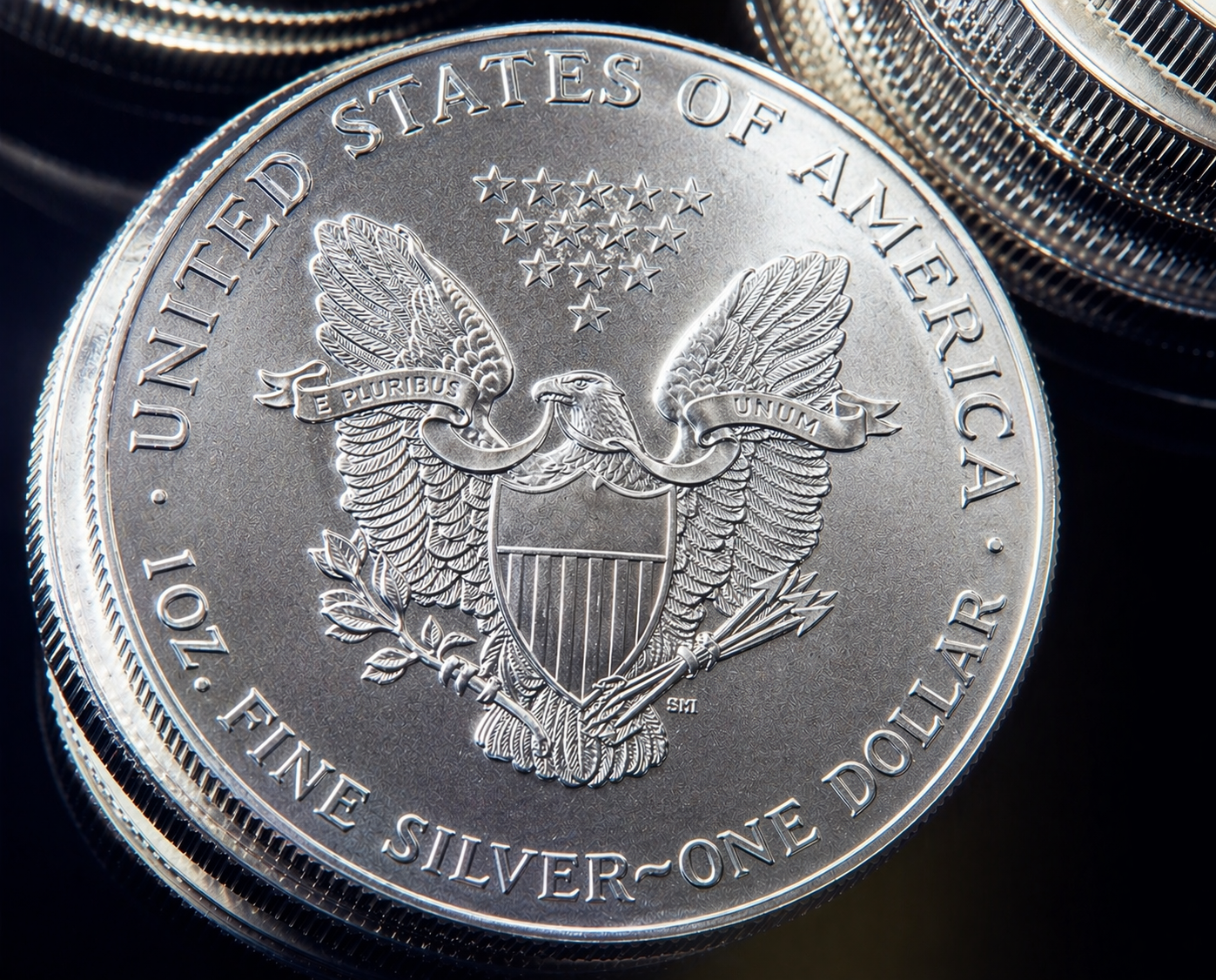
American Silver Eagle
John Mercanti designed the original reverse of the Type 1 American Silver Eagle in 1986, creating the iconic heraldic eagle that defined the coin for over 35 years. His design, inspired by the Great Seal, symbolized strength and peace and appeared on hundreds of millions of coins. Mercanti also refined the obverse for modern minting, helping transform the Silver Eagle into one of the most recognizable bullion coins in the world.
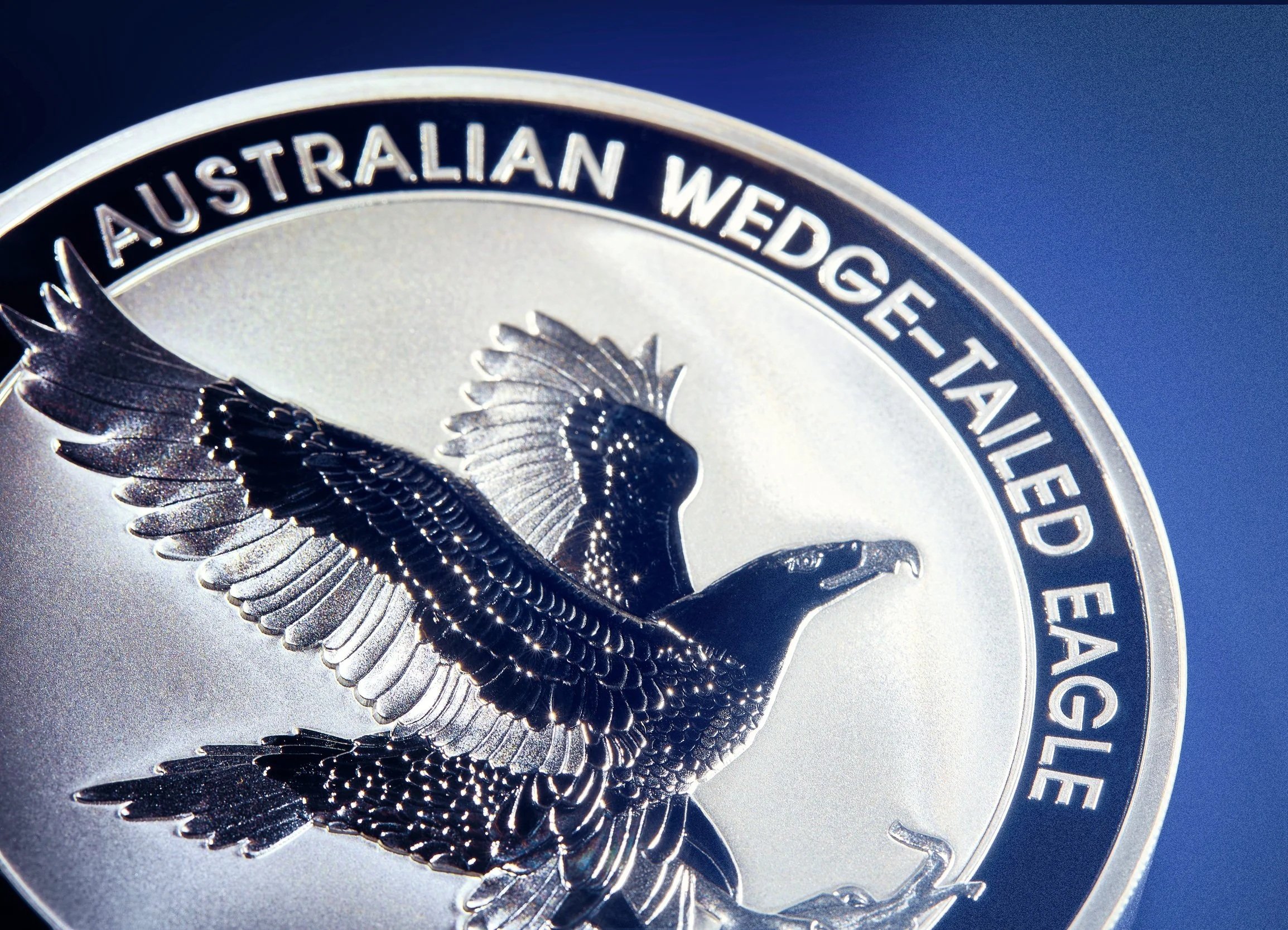
Wedge Tail Eagle
He designed the reverse of the Wedge Tail Eagle coin series for Australia’s Perth Mint, bringing his signature heraldic style to a new international audience. First released in 2014, the design features a powerful wedge-tailed eagle in flight, capturing movement and strength. His involvement added prestige to the series, blending American engraving expertise with Australian wildlife symbolism in a widely admired modern bullion coin.
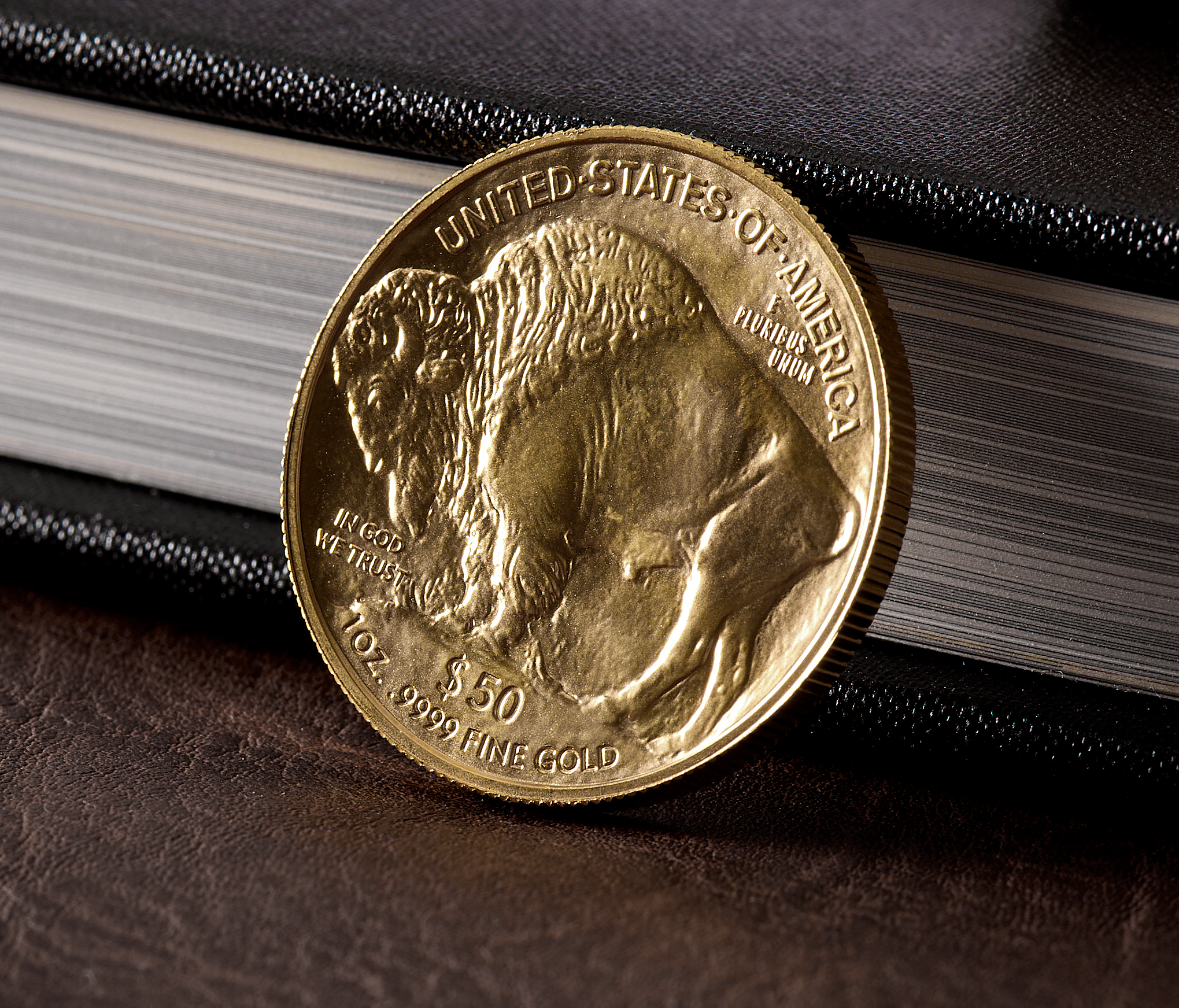
Gold Buffalo
John contributed to the American Gold Buffalo program as the U.S. Mint’s Chief Engraver, overseeing production and ensuring the faithful adaptation of James Earle Fraser’s classic Buffalo Nickel design. Introduced in 2006, the coin features Fraser’s iconic Native American portrait and bison. While not the original designer, he played a key role in refining the artwork for modern minting and preserving its artistic integrity.
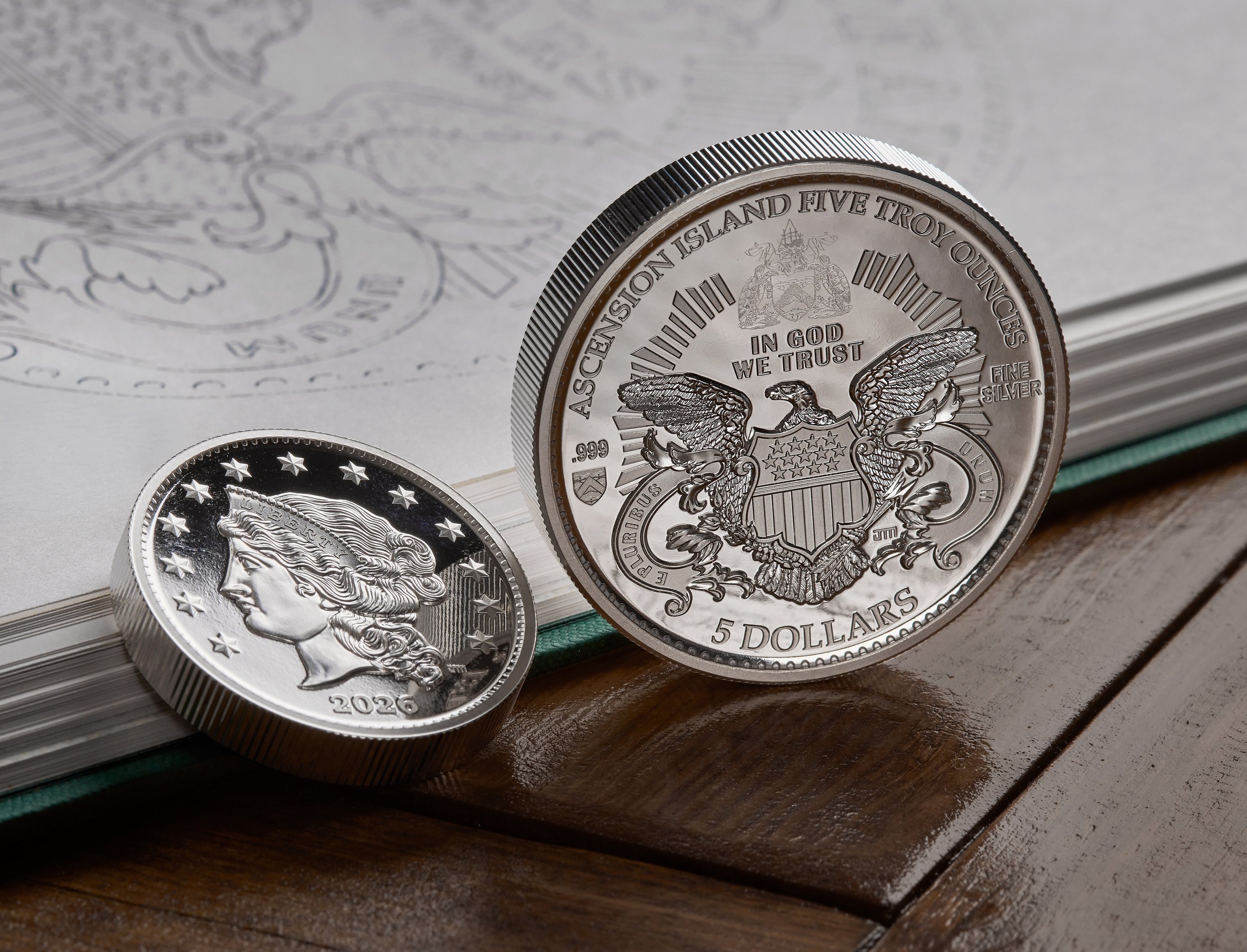
The Mercanti Morgan
Derived from original sketches discovered in John Mercanti’s home studio archive, this coin brings never-before-seen concepts to life in a modern tribute to the classic Morgan Dollar. Featuring refined engraving, enhanced depth, and bold contemporary detail, the design reinterprets historic American symbolism with fresh artistry. Struck in limited quantities, it offers collectors a rare blend of legacy, innovation, and exclusivity.
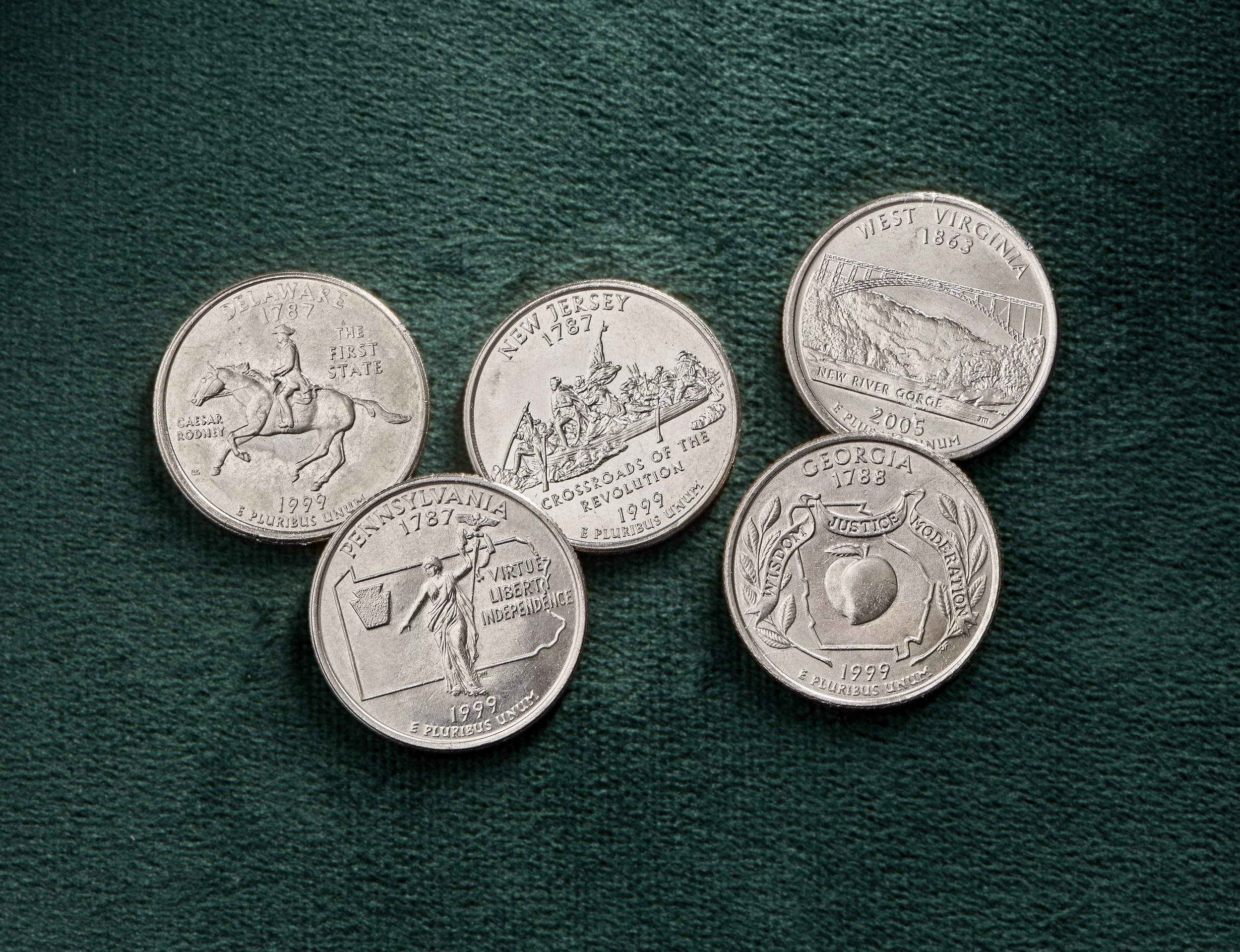
America the Beautiful Quarters
John Mercanti contributed to a number of reverse designs in the America the Beautiful Quarters series, playing a meaningful role in shaping its overall artistic direction. These widely circulated coins highlight national parks and historic sites across the United States, and his influence can be seen across the program’s long run, particularly in the consistency of engraving style and attention to sculptural detail.